
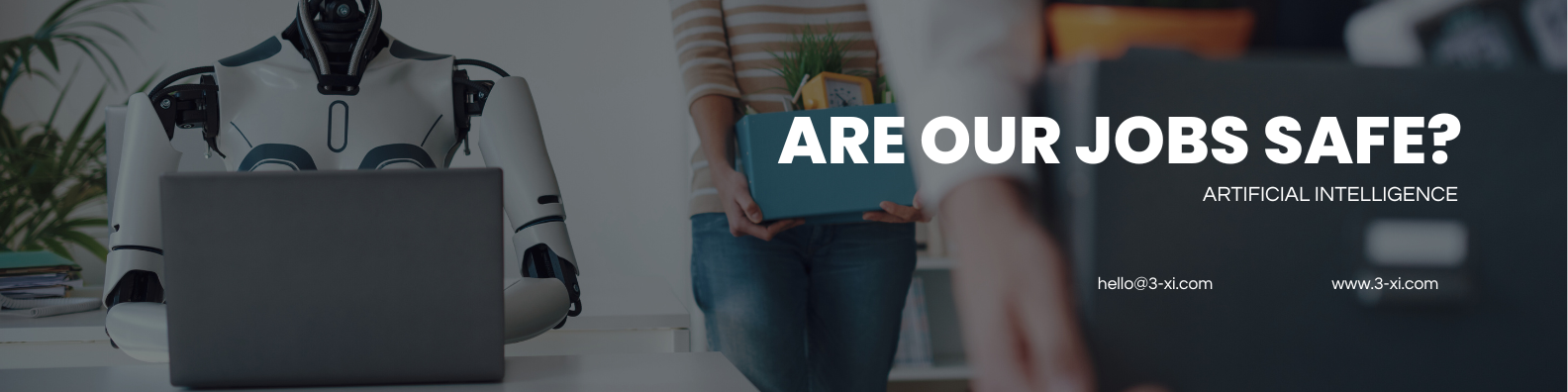
In the ever-evolving landscape of technology, artificial intelligence (AI) has emerged as a powerful tool. Is AI designed to assist and enhance human capabilities, or will it completely replace us? Is AI analogous to the autopilot system in an airplane, and AI is here to support, not replace, us humans?
Will it ensure that tasks are performed with greater consistency, reliability, and accuracy, while still requiring human oversight to guide and manage its operations. Or will AI be like the automobile was to horses, and completely replacing one of their core “jobs”? To help answer this overarching question let’s look at some examples in wastewater process management.
What is looks like when AI takes over...
Let’s take the extreme case where AI can do everything that a human does. Imagine managing a complex wastewater treatment facility. An Artificial Intelligence system is a sophisticated technology that can handle many aspects of the process, from conforming to compliance obligations to optimizing chemical usage.
Enhancing Compliance and Regulation
Let’s look at AI in wastewater management and its ability to ensure compliance with environmental regulations. AI can continuously monitor water quality parameters and detect any deviations from regulatory standards. This real-time monitoring allows for immediate corrective actions, ensuring that the facility remains compliant with all relevant regulations and avoids costly fines.
Energy Savings and Efficiency
AI can also contribute to significant energy savings in wastewater treatment processes. By optimizing the operation of pumps, aerators, and other energy-intensive equipment, AI can reduce energy consumption without compromising treatment efficiency. This not only lowers operational costs but also minimizes the environmental footprint of the facility.
Preventative Maintenance
AI systems excel at predictive analytics, which can be used for preventative maintenance. By analyzing data from sensors and equipment, AI can predict when a component is likely to fail and schedule maintenance before a breakdown occurs. This proactive approach reduces downtime, extends the lifespan of equipment, and prevents costly emergency repairs.
Cost Reductions
The combined benefits of improved compliance, energy savings, and preventative maintenance lead to significant cost reductions. AI can optimize chemical dosing, reduce energy consumption, and minimize maintenance costs, all of which contribute to lower overall operational expenses. Additionally, by ensuring regulatory compliance, AI helps avoid fines and legal costs associated with environmental violations.
Speed and Scenario Reiterations
Another significant advantage of AI is its speed and ability to perform numerous scenario reiterations. AI can rapidly analyze multiple scenarios and outcomes, providing insights that would take humans much longer to achieve. This capability is particularly useful in optimizing treatment processes and responding to varying influent conditions, ensuring that the facility operates at peak efficiency at all times.
Human Oversight and Ethical Considerations
Despite its many advantages, AI is not infallible, and there are many examples where AI has departed too far from the objective. It requires human oversight to ensure that AI does not depart from the correct technical objective, but also to ensure that it operates within ethical boundaries and aligns with societal values. Human experts are essential for interpreting AI’s outputs, making nuanced decisions, and addressing any unforeseen issues that may arise. This collaborative approach ensures that AI serves as a beneficial tool rather than a replacement for human judgment.
Conclusion
While these examples sound great, the reality is that these outcomes do not reliably occur without human oversight and appropriate intervention. Artificial intelligence, much like an autopilot system, is here to assist and enhance human performance in wastewater process management. It brings consistency, reliability, and accuracy to various tasks, but it still relies on human oversight to function effectively.
Yes, AI should reduce effort in many areas, but this merely gives our engineers the ability to spend time on higher order thinking and bigger problems. Much like the spreadsheet was a 10x calculator, AI is a 100x spreadsheet. By embracing AI as a supportive co-pilot, we can harness its potential to improve compliance, regulation, energy savings, preventative maintenance, and cost reductions, all while maintaining the essential human touch that guides and governs its use.